


Melissa Kaiser is a licensed social worker with over 15 years of experience specializing in anti-human trafficking, trauma-informed care, and officer wellness. A nationally recognized trainer and consultant, Melissa has trained students and professionals globally and developed key programs including North Dakota's human trafficking response protocol and Victim/Witness Program. She leads NCPTF's Child Advocacy Partnerships response, helping communities design compassionate interventions that better support children with complex needs. Melissa is passionate about fostering team development and addressing secondary traumatic stress in high-pressure environments.

There is a dangerous misconception that turning 18 somehow erases vulnerability.
For youth who have experienced trauma, exploitation, family instability, homelessness, abuse, neglect, or trafficking, adulthood does not arrive overnight simply because the calendar says so. Yet too often, society treats older teens as though they are already equipped to navigate the world independently.
Over years of working with youth, I have seen some of the most vulnerable young people are those approaching adulthood. They are often among the hardest to locate, the least likely to seek help, and the most likely to be overlooked by systems designed to protect children.
But they are still worth finding.
The Countdown to 18
In missing child and child protection work, there can sometimes be an unspoken assumption that a youth who is nearly 18 will soon be someone else's responsibility, or no one's responsibility at all. The reality is far more complicated.
Many 17-year-olds who go missing have experienced significant trauma. Some have learned not to trust adults. Some are fleeing situations they perceive as unsafe. Others have been manipulated into believing they are independent when they are actually being exploited.
Most do not want to be found, making these cases uniquely challenging. However, that should never diminish the urgency of searching for them. A young person's willingness to accept help does not determine whether they deserve it.

Throughout my career, I have also seen another troubling pattern. As a youth gets closer to turning 18, the urgency often begins to fade. There can be a quiet assumption that they will soon be an adult, that they may simply run away again, or that there is little benefit in locating services or placement when adulthood is only months away. While few people would say this out loud, the effect can be the same: older youth receive less attention, fewer resources, and fewer opportunities for intervention at the very stage of life when those supports may matter most.
I also recognize the very real challenges professionals face in these situations. Placement options for older youth can be limited, resources are often stretched thin, and systems are not always designed to respond quickly or flexibly to complex needs. There are times when the frustration is real and when agencies’ hands are genuinely tied. That reality deserves acknowledgment. But even within those constraints, it remains critical that urgency, advocacy, and effort do not quietly diminish as a young person approaches adulthood.
Trauma Doesn't Expire at 18
The effects of trauma do not disappear on a birthday.
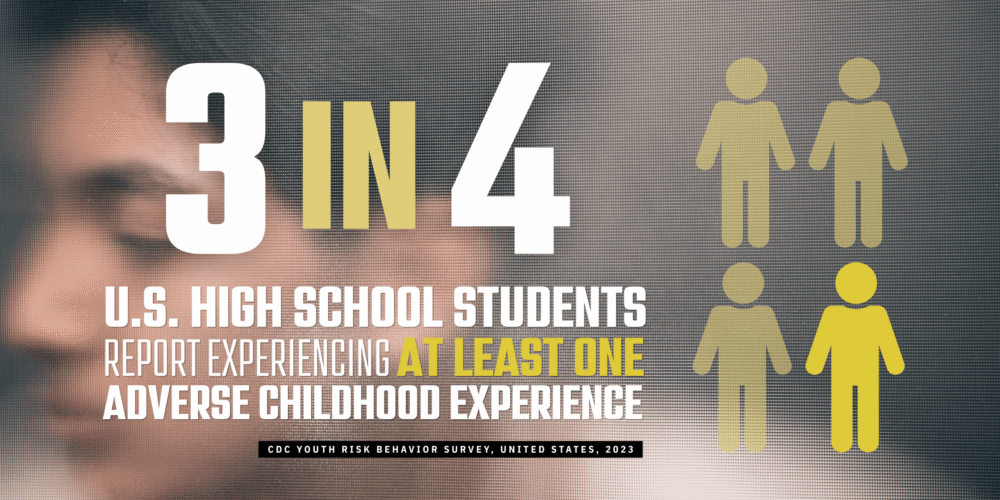
Many older youth encountered in missing child cases have experienced multiple Adverse Childhood Experiences (ACEs), including abuse, neglect, household dysfunction, exposure to violence, substance use within the home, parental incarceration, and other traumatic events. Research has consistently shown that ACEs can have lifelong impacts on physical health, mental health, relationships, education, employment, and overall well-being.
For many youth, running away, disengaging from services, or seeking connections online are not acts of defiance, they are survival strategies developed in response to trauma. When we fail to recognize the role trauma plays in their decision-making, we risk misunderstanding the very behaviors that place them at risk. These youth have learned that what others call "bad behavior" has often been what helped them survive.
Turning 18 does not erase years of adversity or suddenly provide coping skills, healthy relationships, financial stability, or emotional regulation.
I once worked with a 47-year-old survivor who nearly returned to her trafficker because she had never learned how to address an envelope. That seemingly simple task left her feeling ashamed, unintelligent, and unworthy. Those emotions did not begin at 47, or even at 18. They began in childhood, demonstrating how unresolved trauma and missed opportunities to learn basic life skills can shape decisions decades later.

Independence Requires Preparation
One of the greatest gaps facing older youth is the assumption that they already know how to be adults.
Many have never been taught basic life skills that others take for granted. They may not know how to budget, apply for housing, access healthcare, manage transportation, navigate employment responsibilities, or advocate for themselves in unfamiliar systems. This is why independent living programs and long-term mentorship are so critical, yet these resources remain far too limited.
Independence is not an automatic outcome of age. It is a skill set developed through guidance, support, practice, and opportunity.
Most adults did not wake up on their eighteenth birthday fully prepared for life. They learned through family support, mentors, safety nets, mistakes, and opportunities to grow; advantages many vulnerable youth have never had. If we fail to provide those opportunities, we should not be surprised when young adults struggle to succeed.
Every Youth Is Worth Finding
Some missing youth cases generate more urgency than others. Younger children often receive significant attention, while older teens are sometimes viewed as runaways who simply made a choice.

But every missing child deserves our concern.
Every missing child deserves an investigation.
Every missing child deserves the opportunity to be safe.
A 17-year-old who has experienced trauma, exploitation, or instability is not less vulnerable simply because adulthood is approaching. In fact, older youth often face unique risks. They are more likely to experience homelessness, be targeted by traffickers, or age into adulthood without stable support systems. Their challenges may look different than those faced by younger children, but the need for intervention is just as critical.
Why Investing in Older Youth Matters
Older youth are standing at one of the most important crossroads of their lives.

Science tells us that the brain continues developing well into a person's mid-twenties, particularly in areas related to decision-making, impulse control, planning, and assessing risk. Yet society often expects young people to become fully independent the moment they turn 18.
Without stable support systems, many vulnerable young adults face increased risks of homelessness, exploitation, unemployment, substance misuse, mental health challenges, and involvement with the criminal justice system. These outcomes are not inevitable; they are often the result of unmet needs and missed opportunities.
Every young person we support today represents a future employee, business owner, parent, first responder, teacher, healthcare professional, volunteer, or community leader. The investment we make today extends far beyond one individual. When we help older youth heal from trauma, develop life skills, and build healthy relationships, we are strengthening the future of our communities.
Looking Beyond the Birthday

If we want to change outcomes for vulnerable youth, we must stop viewing age 18 as the finish line.
Instead, we should create pathways that bridge the gap between adolescence and adulthood through trauma-informed services, mentorship, life-skills development, housing resources, education, employment support, and meaningful relationships with trusted adults.
The goal is not simply helping youth reach adulthood, it is helping them thrive once they get there.
They Are Still Worth the Effort
Some youth do not want to be found.
Some push away support.
Some have learned through years of trauma that trusting adults is dangerous, but that does not make them less worthy of our time, resources, or concern. In fact, it may be the very reason they need us most.
At NCPTF, we believe every child deserves the opportunity to be safe, supported, and hopeful about their future. That belief does not expire at 18. We must continue showing up for older youth. Not because it is easy, but because their lives matter and because the trajectory of their future affects all of us.